
Dealing with a dull throb that's been building for days? Dentist Open Now finds a Harrison, WI specialist who handles this specific case regularly and has room to see you.
One call tells you exactly when and where you can be seen for this.
+1-866-227-2801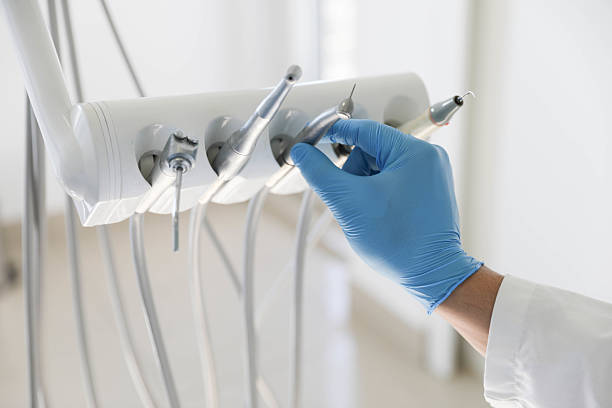
A root canal becomes necessary when the pulp inside a tooth — nerves and blood vessels — becomes infected or inflamed, usually from deep decay or a crack reaching the interior. The procedure removes that infected tissue, cleans and shapes the canal system, then seals it against reinfection. Despite the reputation, most patients describe it as feeling similar to getting a routine filling.
Digital measurement tools pinpoint canal length precisely, reducing the guesswork older hand-file methods relied on. A crown is usually needed afterward since a treated tooth becomes more brittle under normal chewing force.
Removing the infected nerve tissue is exactly what stops the pain signal at its source, not just masks it temporarily. Patients often notice they can't feel temperature in that tooth anymore, which is expected, not a sign something's wrong.
Curved or calcified canal anatomy is routed to a specialist with focused endodontic training.
Precise digital measurement replaces older estimation-based methods.
Straightforward cases are often finished in one appointment rather than two.
Most patients compare recovery to a filling, not the pain that brought them in.
Our network specialists cover the full range of this procedure, from the routine case to the complicated one.
Removes infected pulp, cleans and shapes the canal, and seals it against reinfection.
Addresses canals that were missed or incompletely sealed the first time.

Back-tooth cases get extra imaging and time given the added anatomical complexity.
{Protects the now-brittle tooth from fracturing under normal bite force.|Restores full chewing function after canal treatment is complete.}

Acute cases are prioritized to relieve pain and stop the infection from spreading.
Removes infected tissue at the root's very tip when retreatment alone isn't enough.
A coordinator answers and asks a few quick questions about your specific case and how urgent it is.
Based on your case and location in Harrison, WI, we find a provider with room on the schedule soon.
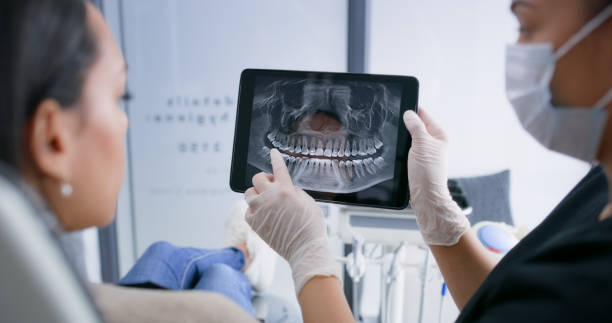
The specialist examines your case, often with same-visit imaging, and gives you a cost estimate before starting anything.
Treatment proceeds on the agreed plan, with aftercare instructions and a follow-up if the case calls for one.
"Explained every step and the cost before doing anything. First visit that didn't feel rushed."
"Didn't have to wait weeks like my old dentist. Got routed straight to a specialist who knew what to do."
"No upsells, no pressure. Just the treatment I needed at the price I was told upfront."
The pain associated with root canals is usually from the infection beforehand, not the treatment.
It depends on canal complexity and infection, but a single visit is common for simpler teeth.
Most back teeth need one since they become more brittle without their blood supply.
Untreated infection can spread to the jawbone, and the tooth is often eventually lost.
Occasionally, which is treated with a retreatment procedure to reclean the canal.
Cost varies by tooth location; molars typically cost more than front teeth.
Our coverage spans Harrison and its surrounding area, matching you with the closest available specialist who's actually open.
Licensed to practice in WI, verified before referral.
Call now and a coordinator matches you with an open specialist and a confirmed time.
Call +1-866-227-2801 Now